Colour Removal Chemicals for Wastewater Treatment
At Tatva Enviro Engineer, we offer advanced Colour Removal Chemicals designed specifically for industries dealing with dye-contaminated wastewater, Textile Process house and wastewater decolorization requirements. Our solution effectively eliminates color from effluents, ensuring compliance with environmental discharge norms and improving the overall treatment process.
Learn More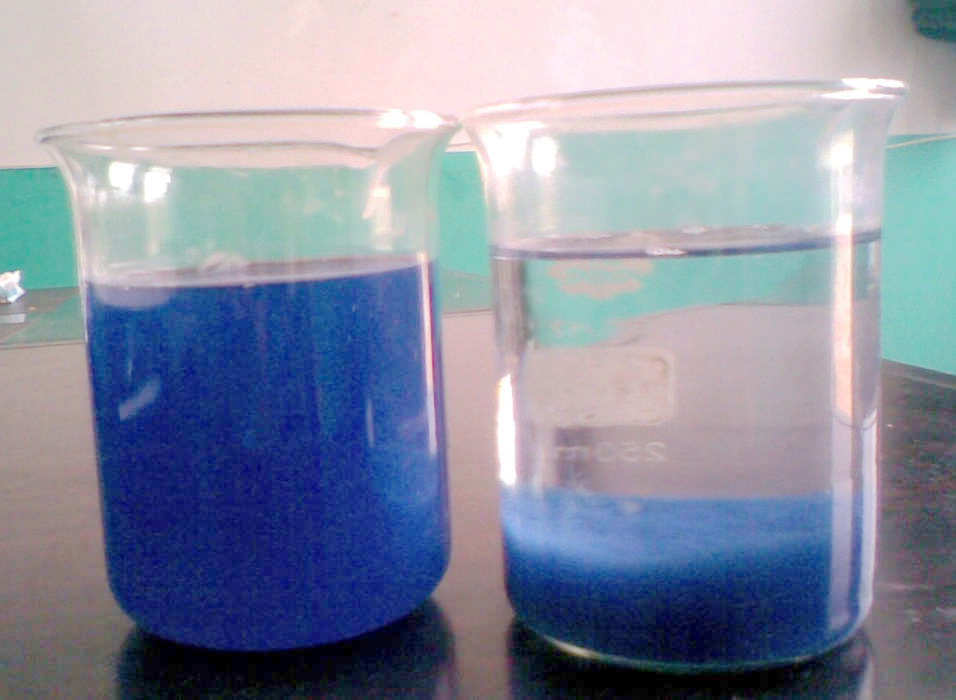
What Are Colour Removal Chemicals?
Color removal chemical for textile effluent
-
Decolorization Chemicals
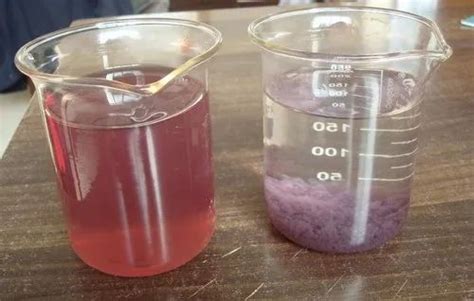
This are specialized coagulants and wastewater decolorizing agents formulated to target and eliminate dye molecules from wastewater. These chemicals work through coagulation, flocculation, and sometimes oxidation, removing both visible color and non-biodegradable organic matter.
-
Whether your effluent contains reactive dyes, vat dyes, direct dyes, disperse dyes, or complex dye intermediates — our product ensures a high level of decolorization efficiency.
Chemical Composition
Our formulation includes:
-
Cationic Polymers
Enhance floc formation with dye molecules.
-
Inorganic Coagulants
Such as PAC, Alum, and Ferric Sulfate.
-
Dicyandiamide Formaldehyde Resin
Specifically targets dye complexes.
-
Polyamine Blends
For wide-spectrum dye removal.
-
Optional: Oxidizing Agents for tough color loads (on request).
Application Industries
Our Colour cleaning Chemicals are ideal for:
-
Textile Industry
Removes dye colors from wastewater discharge
-
Chemical & Pharmaceutical Industry
Eliminates residual color from synthesized compounds
-
Paper & Pulp Industry
Removes color caused by lignin and bleaching agents
-
Dye & Pigment Manufacturing
Treats highly colored, concentrated dye removal from wastewater
-
Distilleries & Sugar Industry
Removes molasses-based dark coloration from spent wash
-
Food & Beverage Industry
Removes natural or artificial color from processed water
-
Municipal Sewage Treatment
RemTreats color caused by domestic waste and household chemicals
Key Features & Benifits
-
Rapid decolorization (results visible in 10–15 minutes)
-
Works effectively across a wide pH range (6.0–9.0)
-
Reduces COD & enhances BOD/COD ratio
-
Compatible with existing ETP/STP setups
-
Easy dosing, safe handling, and non-toxic formulation
-
Improves discharge water quality
-
Ensures compliance with pollution control norms
-
Enhances clarity for reuse or disposal
Explore Our Other wastewater treatment Chemicals
Explore our specially selected wastewater treatment chemicals such as hydrated lime, ferric and non-ferric alum, Poly electrolyte powders Silicone defoamer for your ETP and STP satisfactory results.
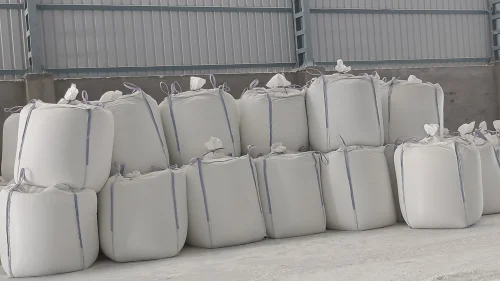
Hydrated lime Bulk supplies
The hydrated lime as well as quick lime are best wastewater treatment coagulant which is cost-effective coagulant used in pH adjustment
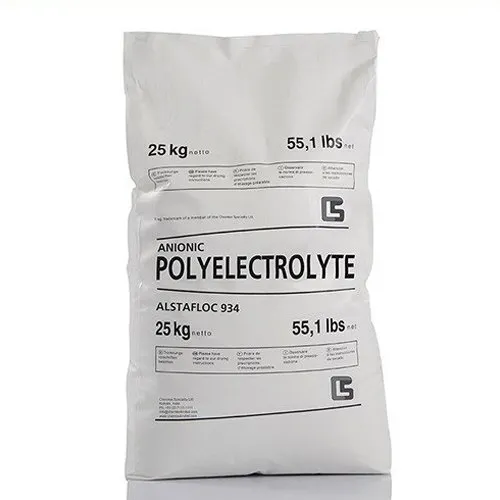
High Molecular poly Electrolyte
High-purity alum used for clear water production and superior sedimentation — perfect for industries requiring crystal-clear output.
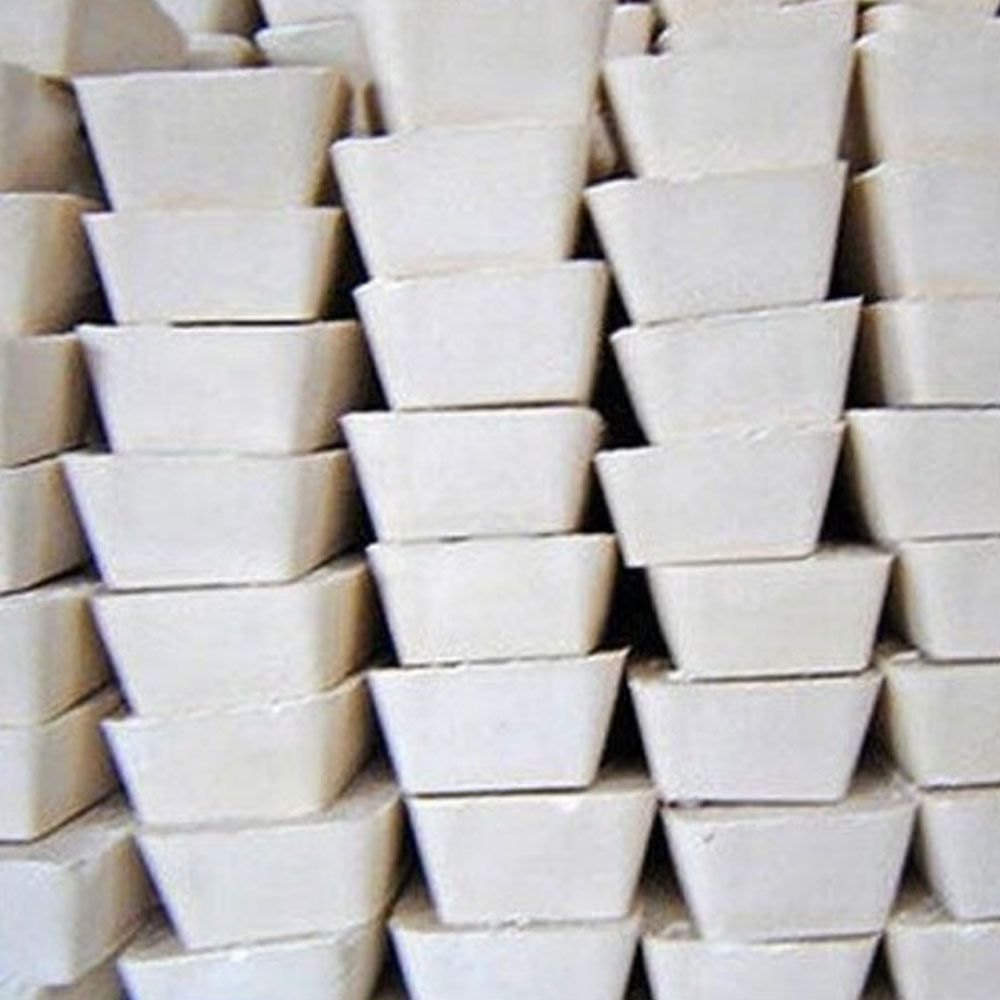
Ferric and Non ferric Alum
Our High Molecular Weight Poly Electrolyte offers superior performance with lower dosages and faster sedimentation rates.