Sand media and Activated Carbon media for Filtration
Filtration Media
Infilteration system – Sustainable Rain water Recharge for Groundwater Conservation
-
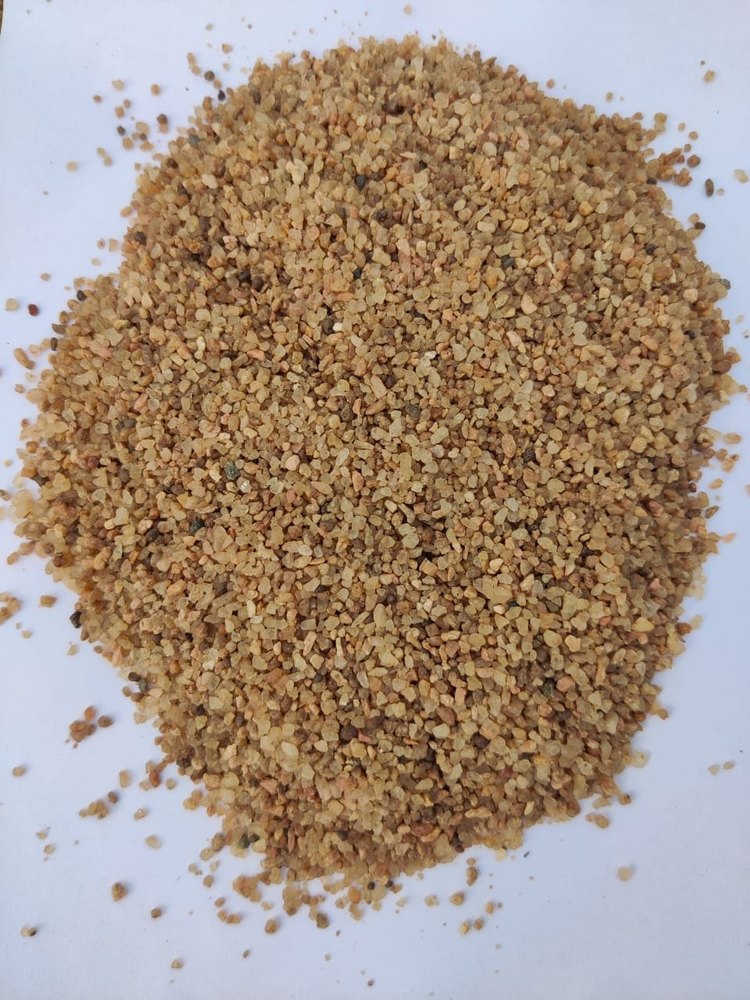
Highly Graded, the best quality filter media origin from River and rock are available as per customer specifications.
-
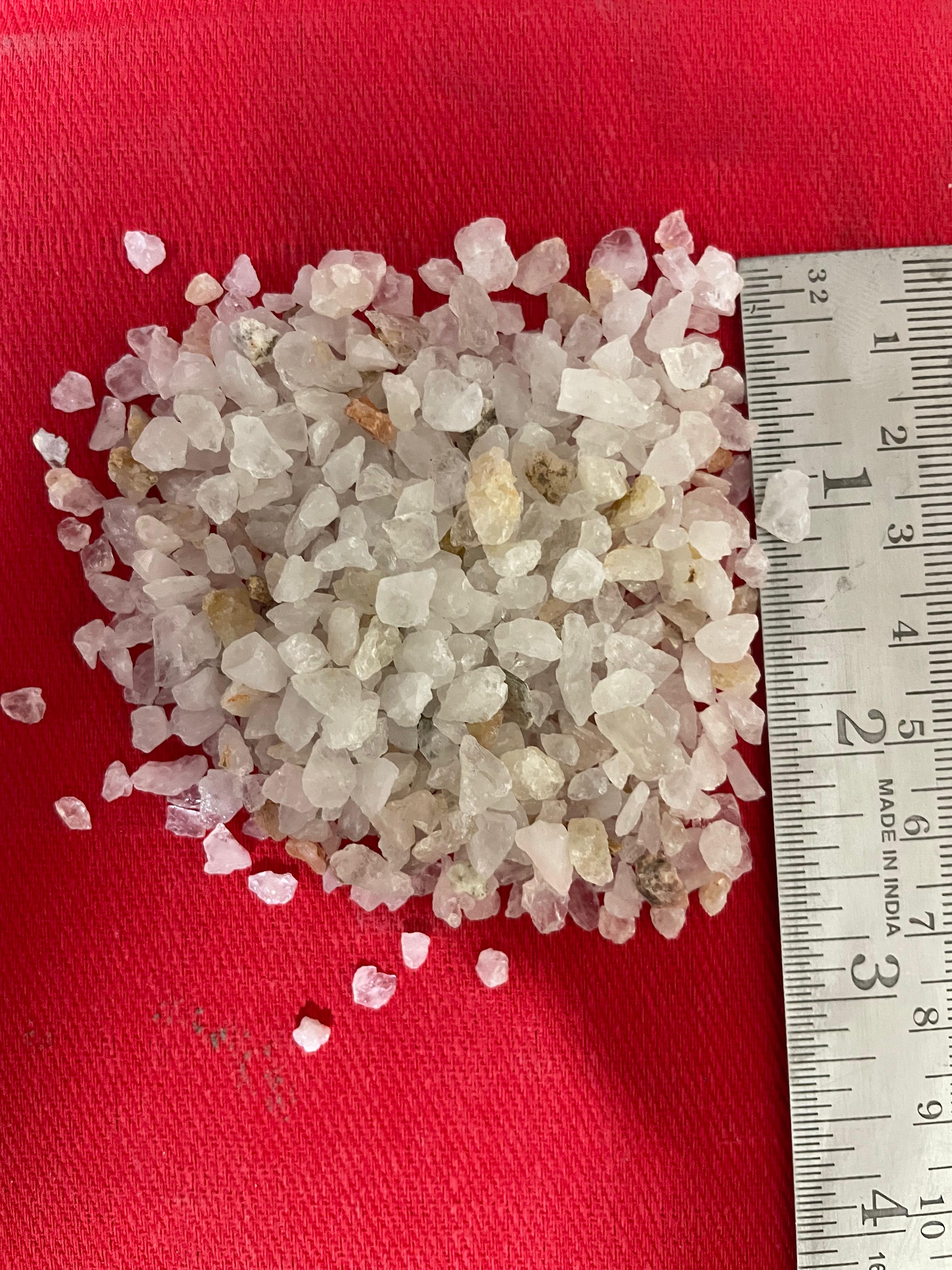
Sand filter media typically consists of silica sand, which is a naturally occurring mineral composed of silicon dioxide (SiO2). The sand grains are usually uniform, which allows for effective filtration. The media works by trapping particles as water flows through it, providing a physical barrier to contaminants.
-
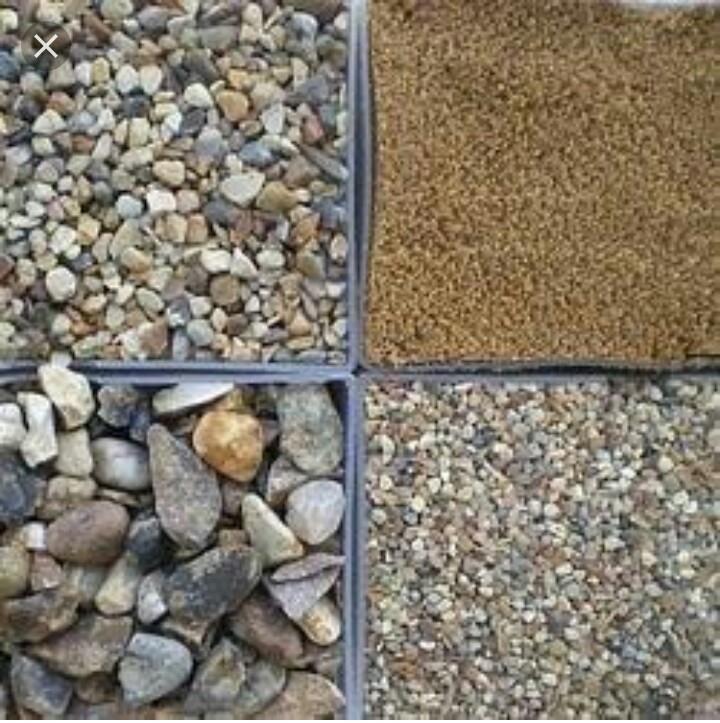
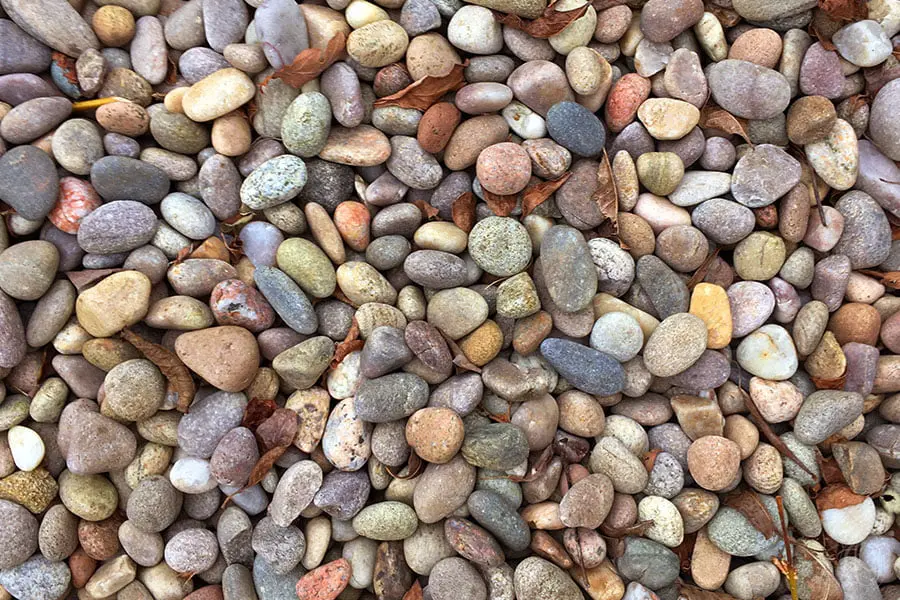
Various type of media based on size are defined as Gravels, Pebbles, Fine Sand, Coarse Sand and silex based on size and quality.
-
Key characteristics include:
Grain Size: Generally ranges from 0.5 mm to 40 mm. Shape: Angular or sub-angular grains are preferred for better packing and filtration efficiency. Porosity: High porosity allows for good water flow while retaining contaminants.
Applications of Sand Filter Media
Sand filter media is utilized in various applications.
Water Treatment Plants
For the removal of suspended solids and turbidity from drinking water.
Wastewater Treatment
To filter out contaminants before discharge or reuse.
Swimming Pools
To maintain clean and clear water by filtering out debris and microorganisms.
Aquaculture
To ensure clean water for fish and other aquatic organisms.
Irrigation Systems
To filter water used in agriculture, preventing clogging of irrigation lines.
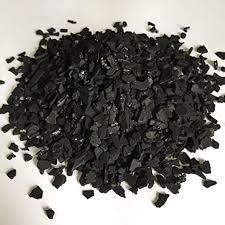
Activated Carbon (Coconut and wood)
Infilteration system – Sustainable Rain water Recharge for Groundwater Conservation
-
The high porosity allows activated carbon to trap a wide range of contaminants through the process of adsorption, where molecules adhere to the surface of the carbon.
-
High Surface Area: Typically ranges from 300 to 2,000 m² per gram.
-
Porosity: Contains millions of tiny pores that enhance its adsorptive capacity.
-
Chemical Reactivity: Can be treated to enhance its ability to adsorb specific contaminants.
Discover Our Quality Activated Carbon
There are several types of activated carbon, each suited for different filtration needs.
Granular Activated Carbon (GAC)
Description: Composed of larger particles, typically used in water treatment systems.
Use: Effective for removing chlorine, volatile organic compounds (VOCs), and taste and odor issues.
Powdered Activated Carbon (PAC)
Description: Finely powdered form, providing a larger surface area for adsorption.
Use: Commonly used in water treatment processes and for emergency spill cleanup.
Extruded Activated Carbon
Description: Formed into cylindrical pellets, offering high mechanical strength.
Use: Used in air and gas filtration applications, as well as in some water treatment systems.
Impregnated Activated Carbon
Description: Treated with chemicals to enhance its ability to adsorb specific contaminants.
Use: Effective for removing heavy metals, odors, and certain gases.
Activated carbon is utilized in a variety of applications
Water Treatment
Removes chlorine, sediment, volatile organic compounds (VOCs), and other impurities from drinking water.
Used in both municipal water treatment plants and home filtration systems.
Air Purification
Adsorbs odors, smoke, and harmful gases, making it ideal for air purifiers and HVAC systems.
Industrial Applications
Used in the food and beverage industry to remove impurities and improve product quality.
Employed in chemical processing to recover solvents and remove contaminants.
Medical Uses
Activated carbon is used in certain medical applications, such as treating poisonings and overdoses.
Aquarium Filtration
Helps maintain water quality by removing impurities and toxins, ensuring a healthy environment for aquatic life.
Activated carbon is a versatile and effective filtration medium, making it an essential component in various industries and applications.
Its ability to improve water and air quality significantly contributes to health and the environment.